
How To Find and Hire a Fit Model
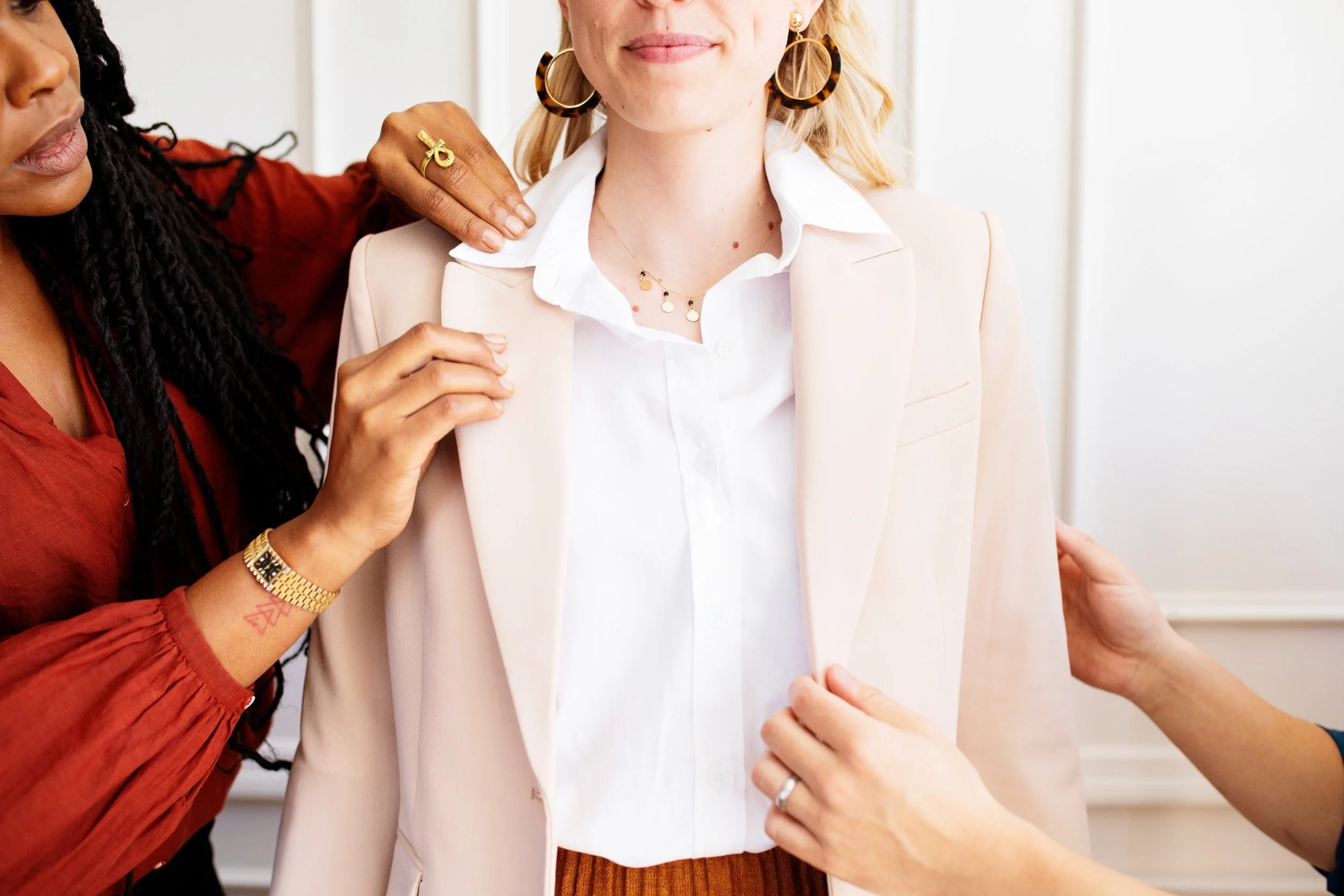
The samples are ready! Now it’s time to see how they look. I’m betting your first move is to try them on and see if you really like like them. But that’s not all you are assessing these samples for. Not only do you have to be critical of the design and proportions, but you also have to ensure that each sample fits a consistent size every time. The best way to do this is to get a fit model who’s job is to maintain consistency in their measurements.
Why do you need consistency in fit
Before we dive into the business of fit models, let’s just get this one out of the way for those of you who say “It fit’s me good and I’m a size medium, so let’s cut 1000 garments!” As a person who specializes in sizing, my internal response is akin to a horror movie scream. Ok, yes I’m being dramatic. But it’s not something I take lightly. You need to ensure a consistent fit across your brand because a loyal customer will find something that fits them well from your products and they are expecting that size to fit them for each and every item that they will purchase from you going forward. We’ve all seen the product review section of clothing websites where you could get multiple people complaining that something runs small or large.
Using Yourself as a Fit model
I know most of you are probably using yourself as a fit model and now you are worried that I’m telling you that you are doing things wrong. Not true. I totally get it. I’m not going to lecture you why you shouldn’t do this, because, heck, I do this myself. But the thing is, you have to be careful. I know you have a size chart, right? So you compare yourself to that size chart and ensure that you stay within the measurements that define your size. For my own projects, I take my measurements regularly and I am aware of how I deviate from a sizing standard and factor that into my revisions. I know my waist is 1” over into the next size so dresses should fit it tighter in that area. My shoulders are broad and straight so I’m not doing to make the shoulders fit me perfectly because there are plenty of customers with narrow and sloped shoulders. They key is to go in between.
Just because it’s your design does not mean it should fit you like a glove. Yes, that’s the ideal, but you have to factor in a lot of body types until you can narrow down who your target customer is. The goal is not to fit a singular person, but a whole range.
What I love about using yourself as a model: You can only learn so much from a quick try on. Sometimes a style needs to be lived in. I always encourage my clients to wear their samples and live in them for a bit to see how the garment functions. What bothers you? What looks odd? Sometimes you need a bit of time for this.
Using Your Friends or Private Individuals for Fit Models
The second most common scenario I see is brands that I work with will use an employee or a friend for trying on their garments. I’m totally fine with this, but it brings in the same caveats as using yourself- Are their measurements consistent? Do they reflect the target customers body type?
The biggest mistake I see being made in this instance is having a designer select a fit model because their bust waist and hip match the size chart. That’s only part of the story. Height and posture should also be considered. I once had a brand that made clothing for a 60+ age range use a 20 year old Crossfitter as their model because she matched the measurements. Bodies evolve as we age so a 20 year frame won’t be the same as someone in their 60’s necessarily.
For those who are doing womens clothing, be mindful of bra cup size. Even if a chest meets a specific measurement the bust shaping required for fitting a B cup vs a DD cup will be entirely different. Make sure she is the average of your customers.
Hiring a Professional Fit Model
Professional Fit Models are the best bet. But don’t think for a minute that hiring anyone with the title of “model” will get you what you need. Generally, the word model is associated with publicity purposes. Model gals have the pretty faces and everything looks amazing on them.
I worked with a pretty big brand that got the fit model concept totally wrong. They fit all of their gowns on the most beautiful and statuesque woman with big boobs. I don’t know her story, but I’m guessing that her model card was for runway and press, not fitting. Everything looked amazing on her! Afterall, who doesn’t want to look at beautiful gowns on a beautiful woman? But by doing this they automatically ruled out anyone petite as a customer and anyone who was smaller than a C cup. Additionally they refused to measure her. We had to fit everything like it was painted on, not knowing how she related to the core sizing.
Fit models are not selected because of their beauty, but rather their body (don’t get me wrong, there are many beautiful Fit Models, but this is just a bonus). Professional Fit Models make a living maintaining body measurements and proportions. It’s serious business for them because they make around $250 per hour (in the NYC area at least) and have multiple clients that depend on their fixed measurement figure.
You know how you have that friend that everything they put on just looks so good on them? Well, this is not something I want from a fit model. They should still represent an average person’s body and stature. What makes their bodies different from a non-professional though is they are well proportioned: shoulders are straight and not too wide, front to back balance measurements good (aka: evenly distributed in girth- chest is not too big in the front and hips are not too big in the back), posture is straight without distortions, etc. Sometimes it’s hard to tell these points by just looking at first glance. An understanding of a Fit Models body comes through working with them and trying on garments that you already know fit well. Just like all of us, every model has their own body quirks so it’s always a trade off as to your needs.
How to Hire a Fit Model:
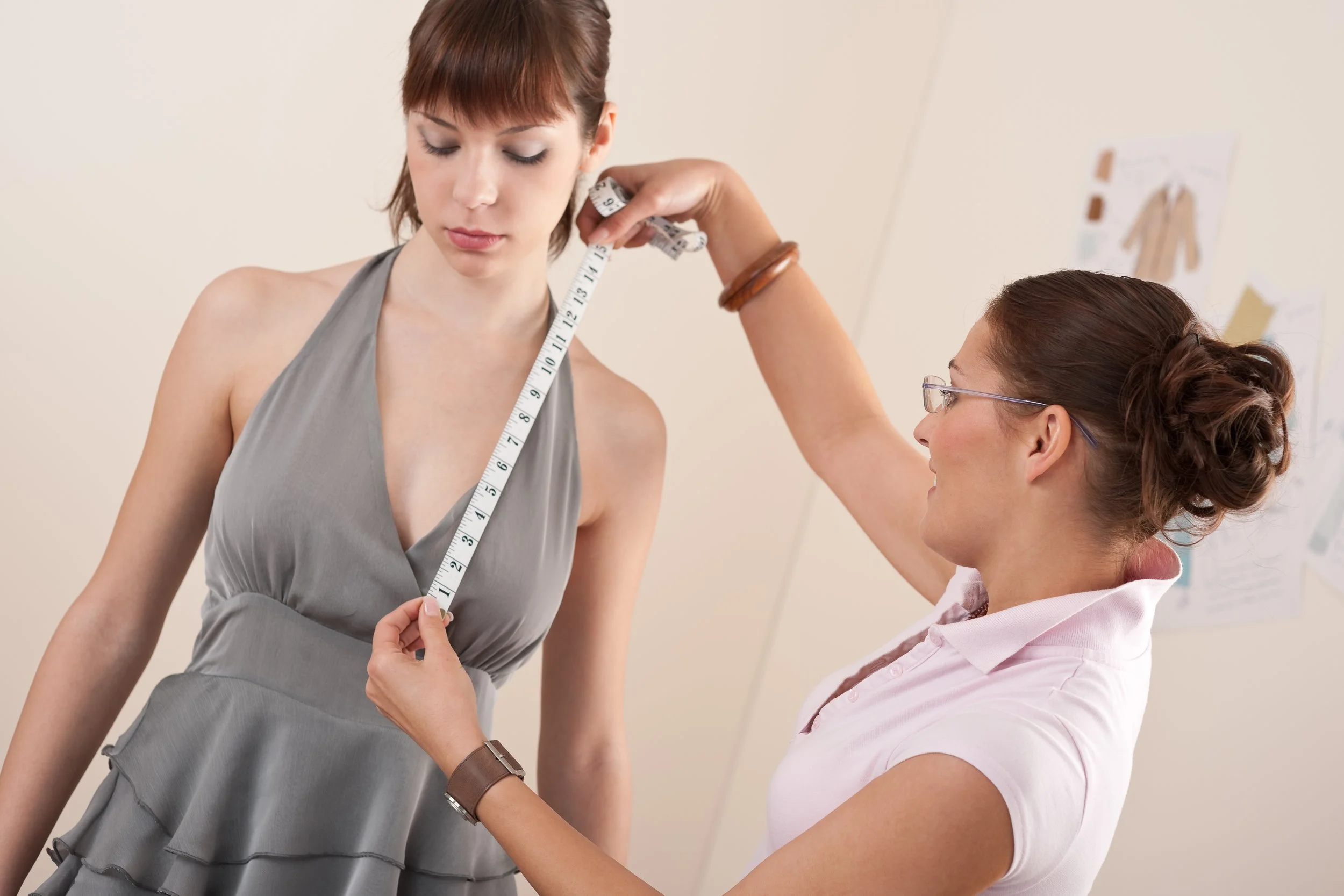
Whether it be friend or professional you will always need to perform what is called a go-see. This is where the model comes in and you measure them and try garments on that have been previous successes for you to see how they relate to your core standard. It’s only a meet and greet with a try on so keep it professional and don’t ask for any “favors” to fit a few garments you need approvals on. It’s a good idea to bring garments that are fit specific- fitted to the body, waist seams to see where they fall into relation, pants are always a good go-to. In the case of professional models, I always like to ask what other clients they work with to get a sense of their target customer base and how it compares to the brand.
Do not take a models word on their measurements. These change and sometimes they can be rounded up or down to make them more appealing to a potential client. Yes, it is an extra step to do a go see, but a Fit Model is an investment and should be interviewed with the intention of working with them for many years to keep your fit consistent.
A few Key Tips:
TIP: Don’t randomly switch models each season because of scheduling conflicts. Try to make it work.
TIP: Take full body photos of the model in the garments. Print out to review afterwards. Sometimes it’s hard to judge on the spot so I like to take this time to analyze and think over, weighing the pros and cons of their shape.
TIP: Don’t wait until you have samples ready. A good model can be hard to find so start thinking about this early to make sure someone is ready when you are.
If you are just starting out or taking the big step of hiring a model, you need to be flexible and open minded. No one is ever going to be perfect, but eventually you will find the Fit Model that’s “just right”.