
Redefining Success as a Fashion Designer

I’d like to share something I’ve been musing on in hopes that this may resonate with you.
Fashion is hard on a good day. Demanding schedules, tight finances, dashed expectations, spectacular successes. It’s a rollercoaster to be sure. But we are all here because we love what we do. We all want to work hard and be successful. But the roadmap to success (the version that’s been fed to us) seems to follow one of two tropes:
Option 1: Go to a prestigious fashion school. Intern at high end labels. Get recognized and start your own brand with help of wealthy investors. Dress celebrities, socialites and politicians. Become a creative director at a well-known fashion house.
or
Option 2: Learn the ropes the hard way. Work super long hours. Struggle to get by. Finally go viral on social media and you sell out and are an overnight success. Hold regular fashion shows. Get licensing deals.
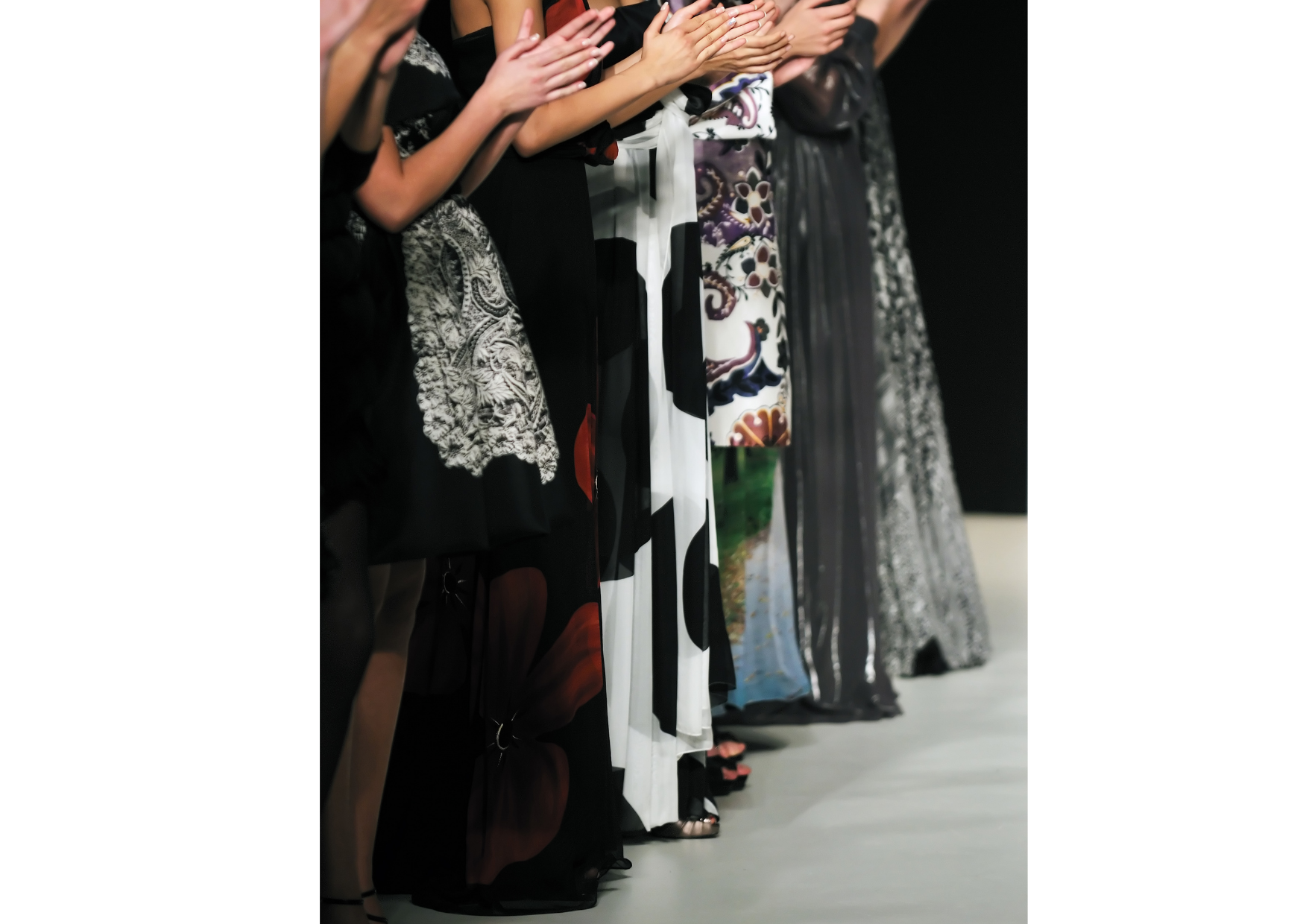
We've been told that the pinnacle of success is achieving maximum exposure, recognition and wealth. But in reality this is the perfect recipe for debt, burnout, overexposure and stifling creativity. But things are changing.
What if the definition of success could be rewritten? Just consider this- doing the work you love where success means living and creating, not just producing at breakneck speeds for the bottom line. Perhaps we could create a more sustainable and kinder future for the craftspeople and visionaries in the fashion industry.
What does success look like for you?
I suppose this will be different for everyone, but I’d like to share my story to give you a bit of perspective. After living and working in NYC for so many years, success was defined by being financially well off and by being a boss/in charge. I left NYC just before covid hit. I had big ambitions of opening a factory. However, covid changed not only the industry, but also my ambitions.
After a year or two of just doing pattern making from my home studio, the idea of opening a factory was just not resonating with me anymore for many reasons. But the problem was it’s what I told everyone I was going to do. So was I a failure?
It’s taken me a few years to be able to come to terms and realize that I don’t need the factory to be successful. In fact, I think I’m pretty successful in a few unexpected ways:
I don’t have to beg, bargain, and explain the need for vacation days to anyone.
When I am tired I can rest.
If I need to leave work in the middle of the day to deal with life stuff, I will do that.
I don’t have to commute
When I am stressed about a project I can step away and go outside for a walk and come back better.
Surprisingly, none of the usual success markers make the cut. Would I love to be fabulously wealthy? Sure, but I think that would come with its own price tag. So for me, freedom is my success.
I challenge all of you to review your own goals and really ask yourself:
Does this make me happy, or will it just bring me validation?
What are your benchmarks of success and do they truly represent what you want?
What kind of workflow would give you a comfortable life?
What do you need to be creative long term?
Small is totally fine!
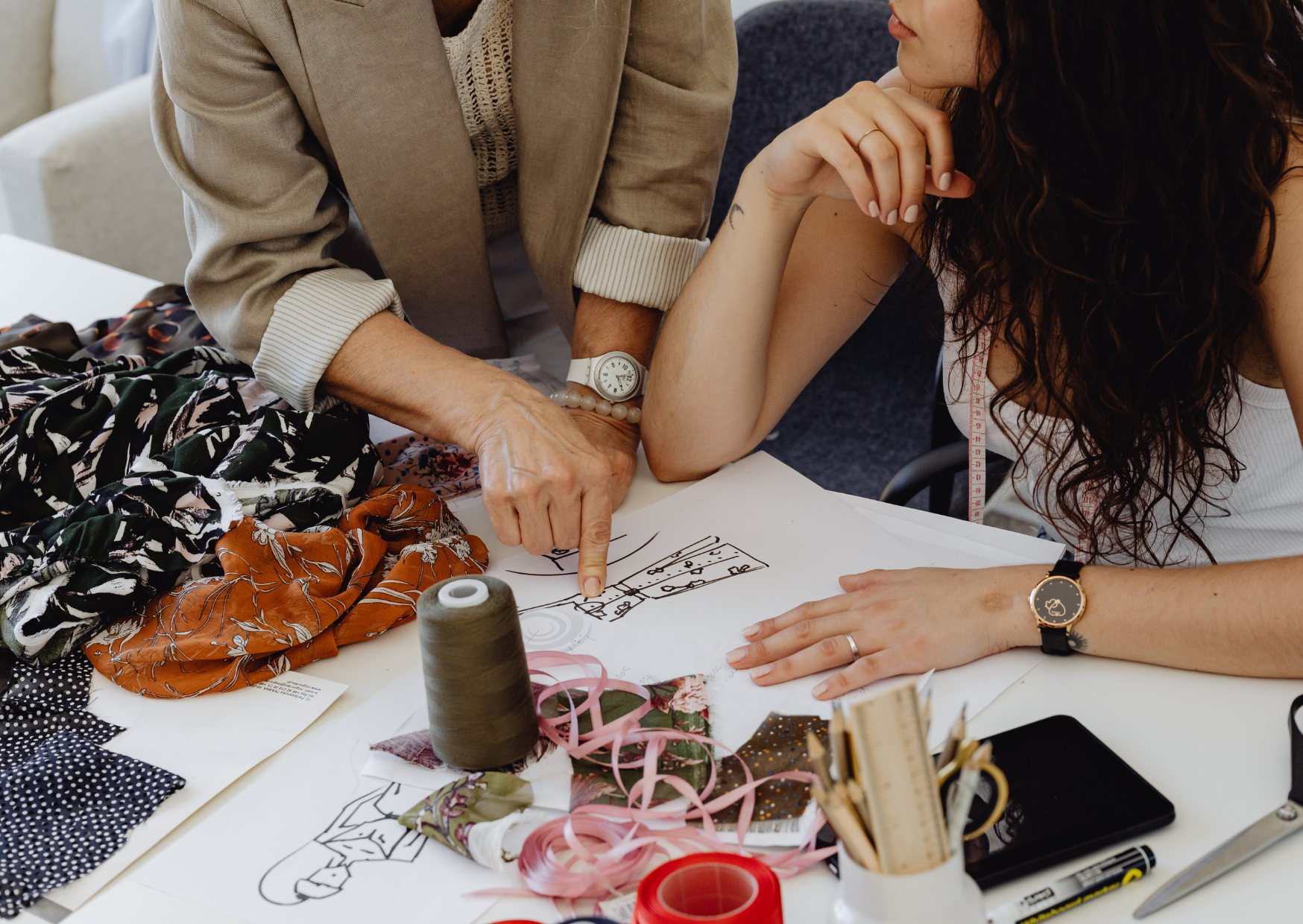
We see on the news some major merger happening seemingly every week. Success in business is measured by size and profits and you get there by joining forces and creating monopolies ruled by corporate greed. Fashion is a typical example. Let’s say you are a small indie designer who starts gaining exposure and momentum. The traditional trajectory was to be bought by a major fashion house so your debts are resolved and you have more capital to work with. But we all know how this story plays out. Creative visionaries become shackled by quarterly reports and projections and they become just a cog in the machine designed to churn out collections seasonally at breakneck speeds. It’s a hard life!
But I know most of you here reading this are chuckling to yourself that this is far from your current situation. You are probably doing most of the work on your own. Perhaps you are even making garments one by one in your own studio, or you have a small team of valued employees.
I just want to say that being small is totally ok. Maybe achieving stardom and wealth are pretty far off, but in a way you have so many advantages. Being a small business means you have so much more power for pivots, decisions and core values.
Take for instance a review of sizing in a corporate setting vs your small business. Let’s say you both decide that your core sizing needs to be modified because it isn’t working for your customer. The corporate retailer has to ever so gingerly approach this topic, get funding approval for sizing studies, test sizing studies, train teams to new standards and communicate new standards to customers. This could potentially take a year if not more. However, as a small business if you decide your sizing is not working you could just make a singular new style and test it out with your customer and pivot from this point- a few weeks, potentially.
Rethinking the bottom line
Yes, profitability is 100% still something to go for. I am not advocating the starving artist plan! Planning for profit can be straightforward and there are plenty of advisors out there willing to help you with this specific task. However, when it comes to the unmeasurable things such as quality of life, personal time and core values, it’s important for you to take this upon yourself and make it a priority for your business.
Create your own personal mission statement and a separate one for the business to ensure your core values are aligned.
Set value-based goal posts instead of only targeting for sales. You could be bringing in lots of sales, but if your employees aren’t happy and you are working 60 hours a week, this is a recipe for disaster.
Rethink how you measure growth. Growth is usually thought of as physical expansion, but what if it was about reaching a point in sales where you could rethink the traditional workweek into 4 days. Or it could be creating the space, time, and resources for your community's needs.
Stop comparing your business to others. Everything looks amazing from the outside looking in. Chances are your competition may not have the same priorities as you do. They may be able to sacrifice their own health for their business by working 70 hours a week, but is that what you really want to do?
As an aside,I don’t know about you, but I feel this growing pressure and this inertia to produce more and more and more. If you aren’t hitting your sales goals then you have to amp up your marketing. This involves creating something new and exciting all the time.Social media has trained us that we have to continually show up to post or supposedly your customer won’t remember who you are. But as a group collectively hitting pause and reset, redefining success could potentially reinvent the garment industry for the better.
Keep up the good work!
We are part of an industry that doesn’t really put value in makers and craftsmanship unless it’s part of a marketing campaign. Yes, they may say they do in the glossy magazine articles, but when was the last time you heard of an exceptionally skilled sample maker making 6 figures? It just doesn’t happen.
But I think the tides are shifting. I see more and more slow-fashion brands emerging that focus on craft and process and work according to their own schedules, not what fashion calendars demand. It’s about creating a purpose driven product, something authentic to the designer's voice, and this resonates with consumers. I see them and I’m like, “wow- that’s successful!”
You may feel that you haven’t hit the benchmarks that you thought you would have by now. But after all that’s been said, let’s put that aside. I just want you to know that you are doing good. If you can pay your bills and employees, maintain a good quality of life, and have room for creativity- I think you are very successful. Afterall, you get to do what you love.